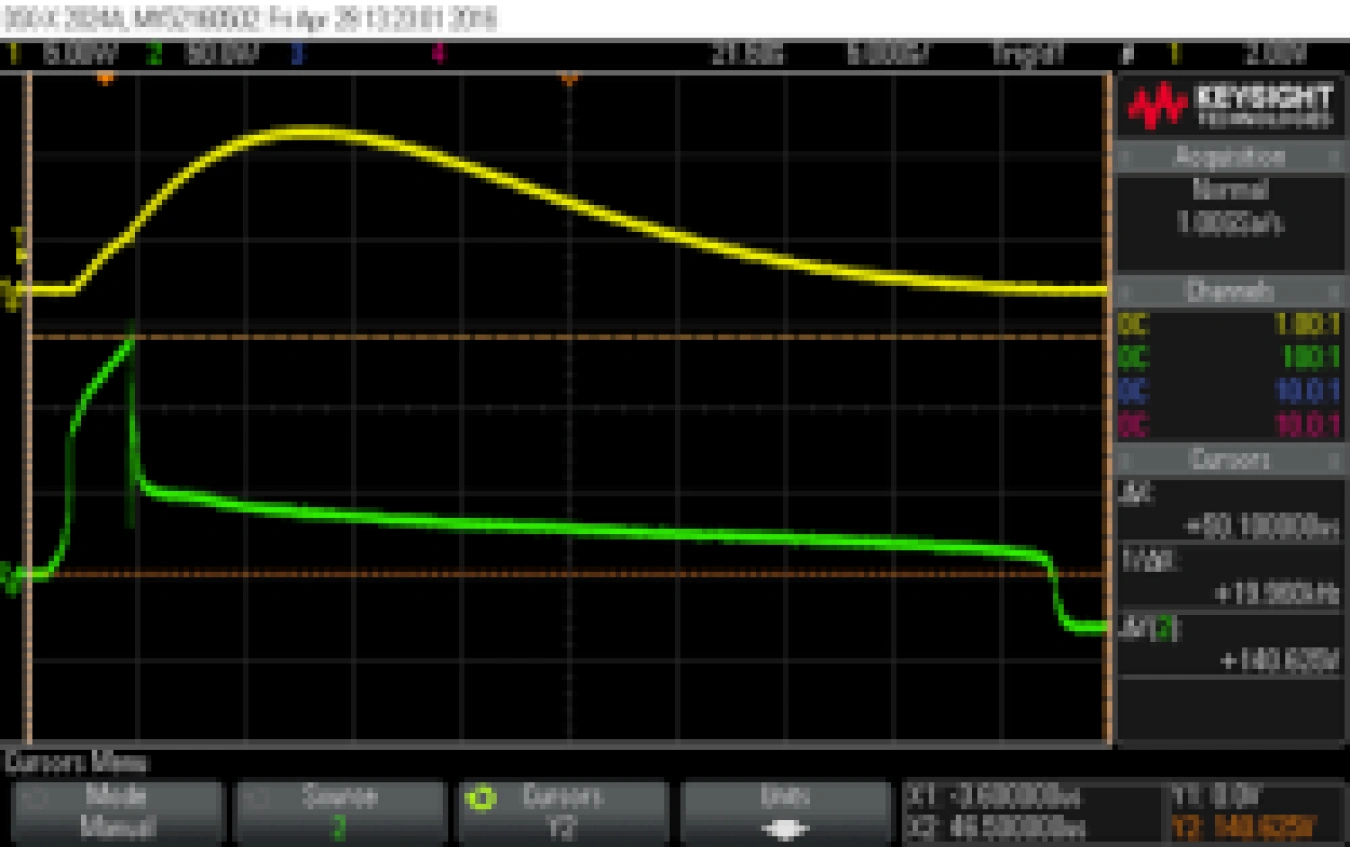

EMC radiation and resistance tests
Electromagnetic compatibility (EMC) encompasses two areas: the ability of a device to function correctly in an environment containing other sources of electromagnetic radiation, whilst at the same time not emitting signals that would interfere with surrounding equipment. With the development of microprocessor and communications technology, what was once a niche scientific discipline has become a key requirement for any critical infrastructure equipment.
As a manufacturer of equipment for such environments, we pay particular attention to EMC — every new device first undergoes pre-certification testing in our own laboratory, followed by verification testing at an independent accredited testing laboratory. The standards we use for testing include, for example:
- EN 55024, EN 55032 — emission and immunity characteristics of IT and multimedia equipment
- EN 50121-4 — emission and immunity characteristics of signalling and communication equipment in railway applications
- ČSN EN 55016-2-1 — methods for measuring conducted emissions
- EN 61000-4-2, -4-3, -4-4, -4-5, -4-6, -4-8, -4-9 — immunity to electrostatic discharges, high-frequency fields, surge pulses and conducted interference