

Recycling
At our company, we value the environment and actively promote waste recycling as part of our responsibility to the planet. We comply with all applicable waste management regulations and standards to minimize the environmental impact of our operations. We are convinced that even in small steps we are contributing to a sustainable future for all of us.
Removal of end-of-life electrical equipment and batteries from circulation
Consumers play a vital role in the system for managing electrical appliances and batteries. It is the consumer who decides what to do with old appliances and batteries. Old and unwanted electrical equipment and batteries do not belong in unsorted household waste; instead, they should be handed in at collection points, known as take-back points, from where they are sent for reuse or recycling.
Consumers must be informed by the symbols shown below that the electrical equipment or batteries in question do not belong in household waste. All new electrical equipment and batteries supplied by us are marked in this way. The symbol may appear directly on the equipment, on its packaging, in the user manual or in the warranty certificate.
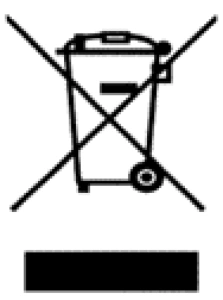
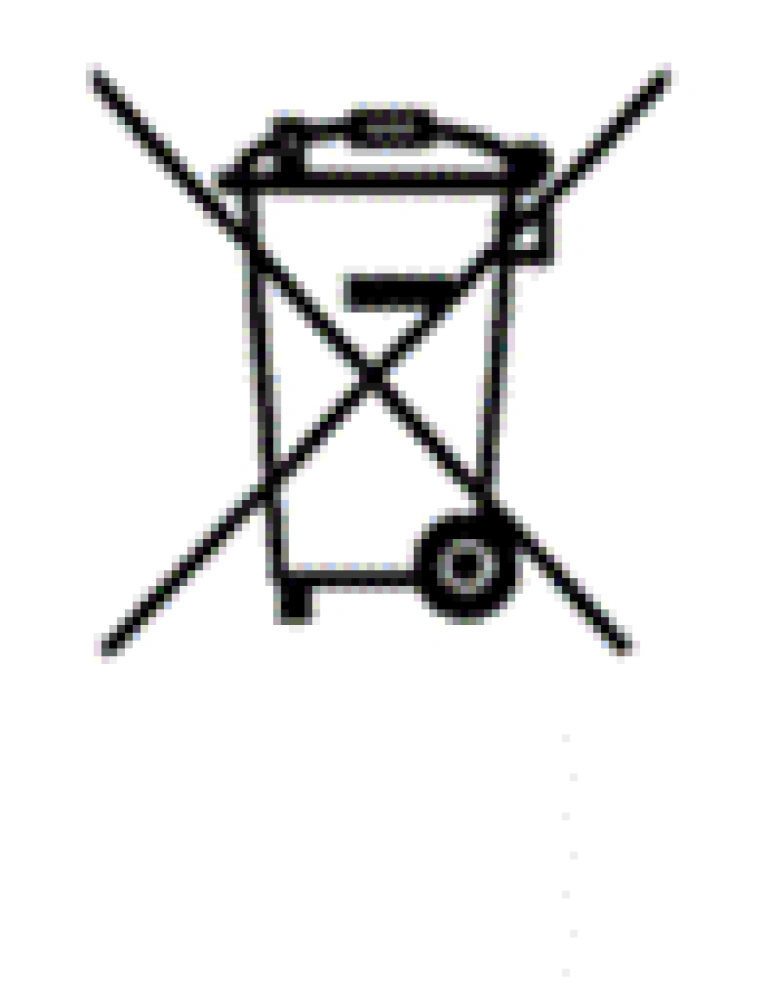
How to dispose of old electrical appliances/batteries?
We work in partnership with REMA Systém, a.s., which offers the following options for disposing of old electrical equipment and batteries:
- individuals can use the services– HERE or HERE;
- businesses can use the service – HERE;
- via the publicly accessible collection network of REMA Systém, a.s., which is designed for the take-back of electrical equipment;
- via the publicly accessible collection network of REMA Battery, s.r.o., which is designed for the take-back of batteries and accumulators;
- via the publicly accessible collection network designated for take-back, as listed on the Ministry of the Environment’s website (ISOH 2);
- if necessary, you can seek advice via the free ‘Chytrá recyklace’ helpline (800 976 679).
Why recycle?
Not only electrical equipment, but also batteries and rechargeable batteries contain many recyclable metals, such as zinc, iron, manganese, nickel, cadmium and lead. Some of these substances are highly hazardous to the environment and human health, particularly mercury, lead and cadmium. Certain batteries are often marked with the symbol of the chemical element they contain (Pb, Cd, Hg).
By handing in batteries and electrical equipment at collection points, we conserve primary raw material resources – particularly through material recycling – whilst also protecting our environment from potential misuse.
Unused batteries that are not handed in for recycling via collection points, but are stored, for example, in office drawers or anywhere else in homes or businesses, may subsequently cause a fire. Lithium batteries, in particular, are prone to this. For safety reasons, it is therefore very important to hand in used batteries for recycling as soon as possible.
Types of batteries we use in our products
| Type | Technology | Voltage | Examples of use |
| Button cells | Lion, LiMnO2, | 3V | IP devices |