

Control of photovoltaic power plants
The context of the solution
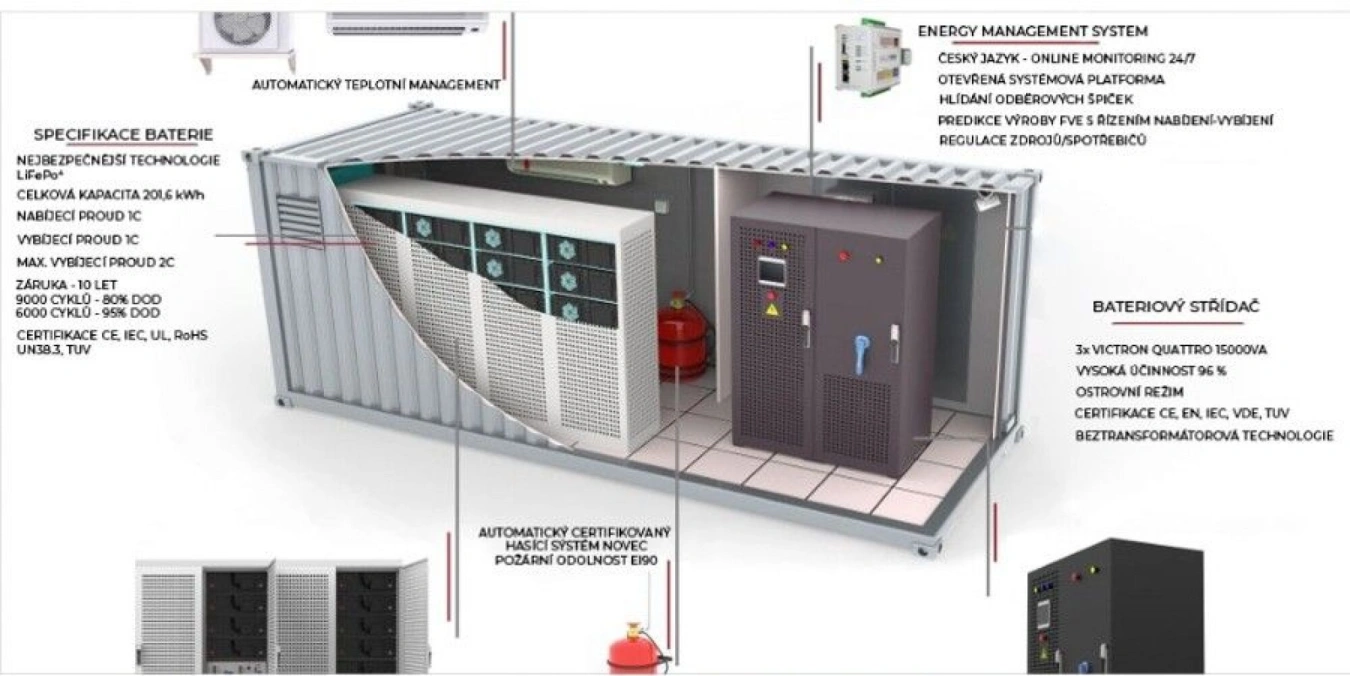
The IPLOG PLCs have found a place in the second wave of photovoltaic power plants after 2022. Together with our partner, we have gradually developed a scalable solution suitable especially for medium and larger industrial applications.
Solution description
Our PLC-based IPLOG solution offers widely scalable options particularly advantageous for medium and large systems. The IEC program FVE_SE includes modules for:
- Peak balancing and 15-minute peak coverage (T15)
- OTE - energy price control
- Remote management
- Battery Management System (BMS) control / monitoring
- Interface for service organizations (Cloud, iOS/Android App)
- PS (Power Sensor) coil monitoring
- Control / monitoring of power inverters PCS (Power Conditioning System)
- Solar Inverter (SI) Control/Monitoring
- Control / monitoring of DC/DC converters
- Control of breakdown points
- Control of external loads as an additional level of control
- Manual battery charging
- Control of reserved power
- Response to HDO outputs
- Calendar
- Dispatching mediation CEZ, EON.....
- Display of fire system status
- Air conditioning control
- Implementation of power balance services started
Solution description -> Peak balancing and 15-minute peak coverage (T15)
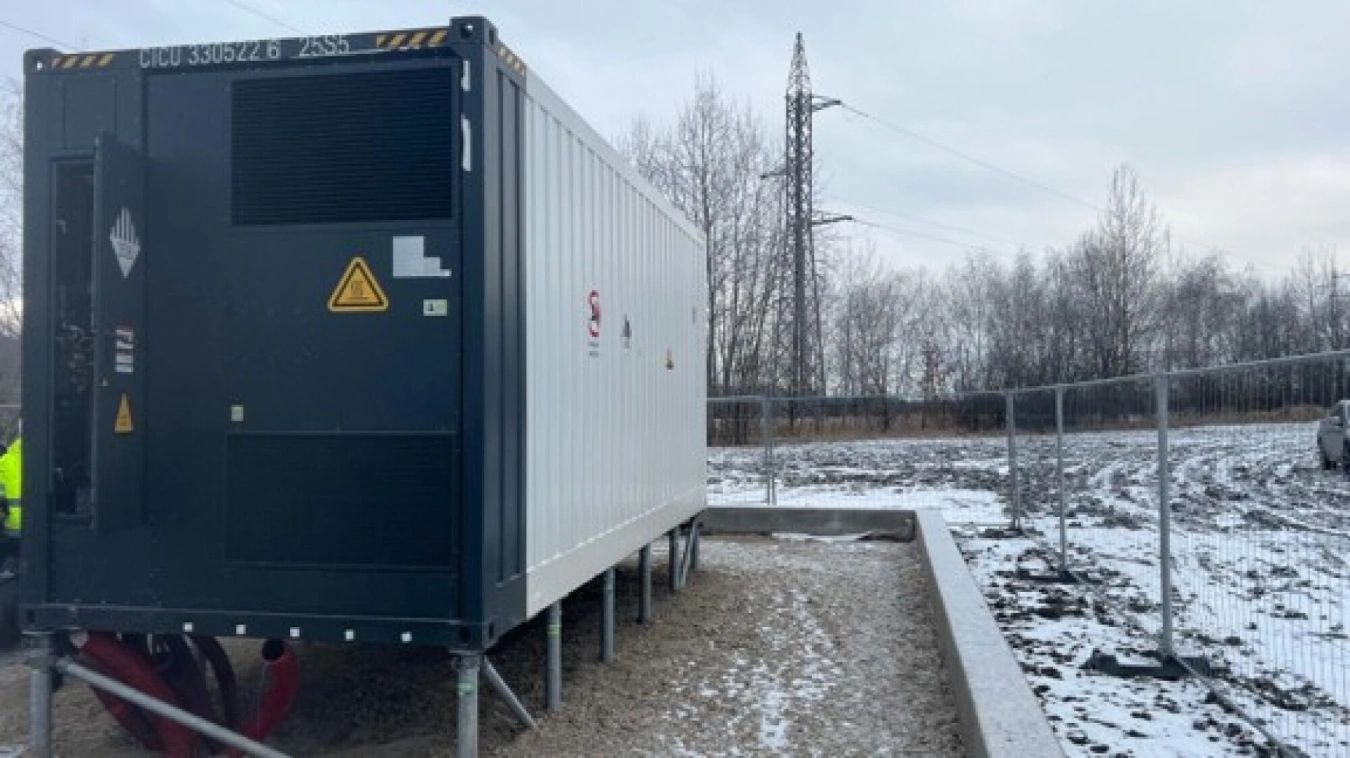
Coverage of increased energy consumption, 15 minute peak (T15). The battery capacity is primarily maintained at a set maximum to allow its use in the event of a sudden increase in energy consumption above the reserved power of the point of consumption.
Solution description -> OTE - regulation according to energy prices
- The PLC monitors the current electricity prices on the OTE intraday market in real time to make intelligent decisions about the operation of energy-intensive equipment.
- The control algorithm automatically postpones the start-up of loads to the lowest price period or, on the contrary, activates the discharge of battery storage at moments of price peaks.
- This control maximizes the economic efficiency of the operation by dynamically adjusting the facility's consumption to the current energy market situation without the need for human intervention.
Solution description -> Remote management
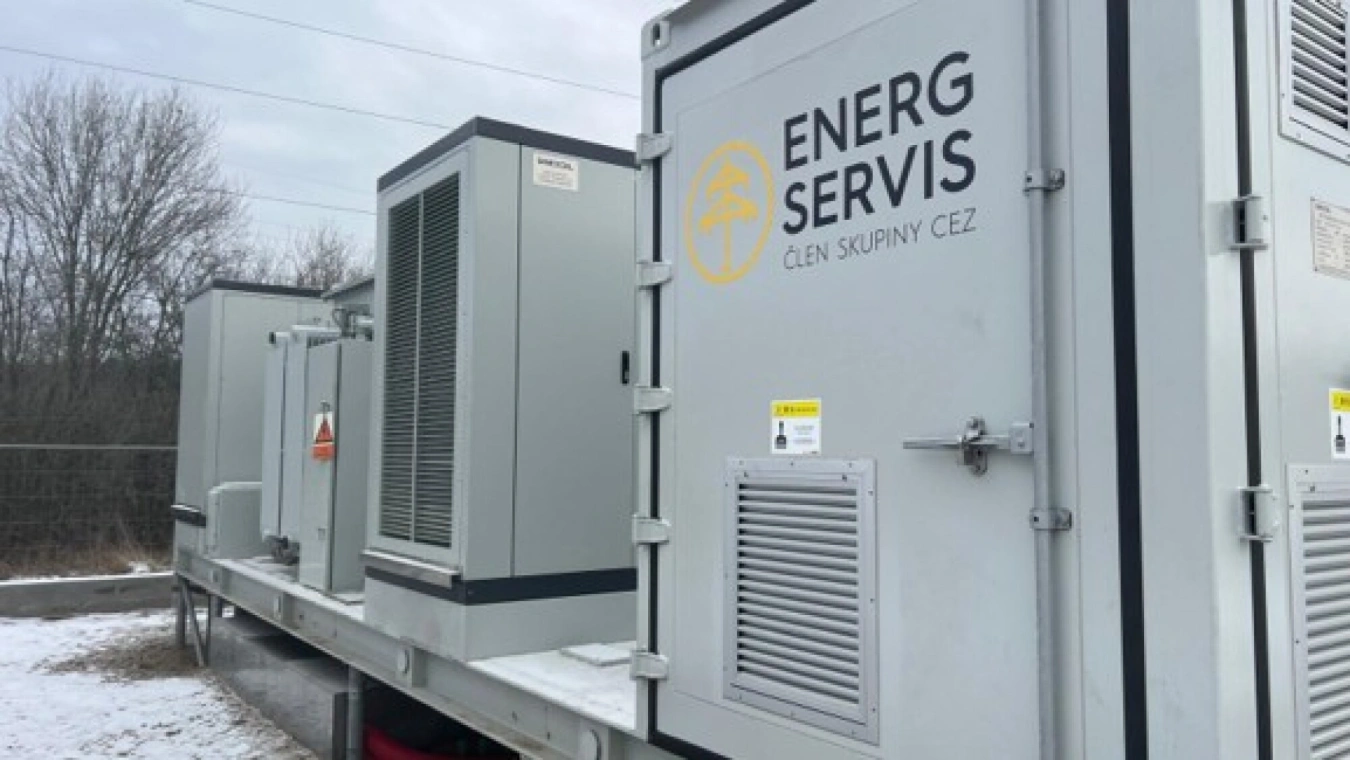
Central cloud-based monitoring ensures constant supervision of the PV plant and remote management of its parameters. Communication is secured by an encrypted VPN tunnel, which also serves for full remote access to the system control software.
Solution description -> Battery storage control / monitoring
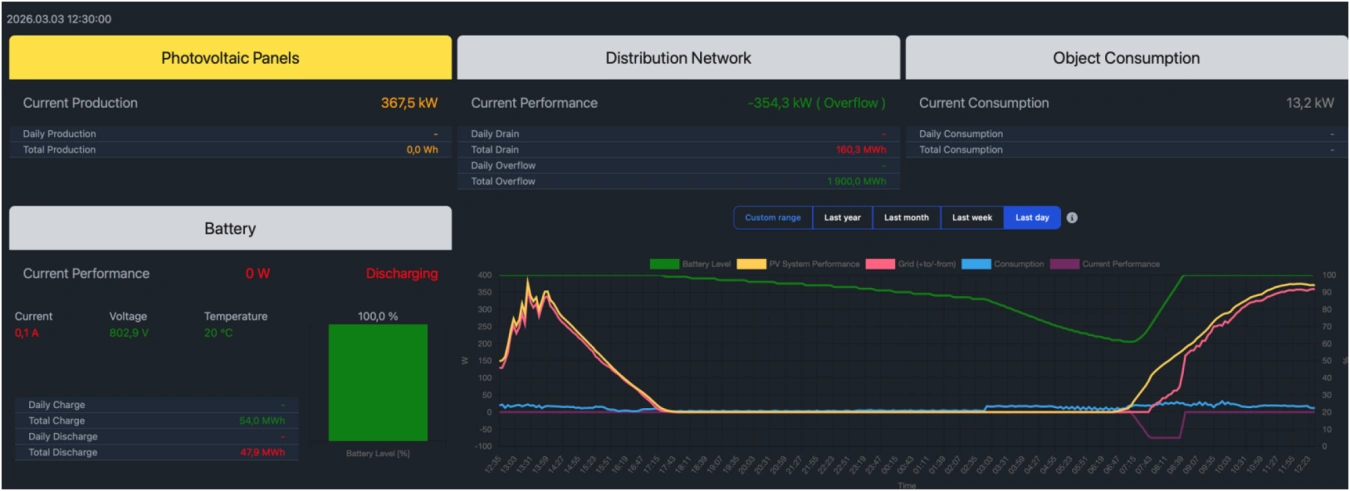
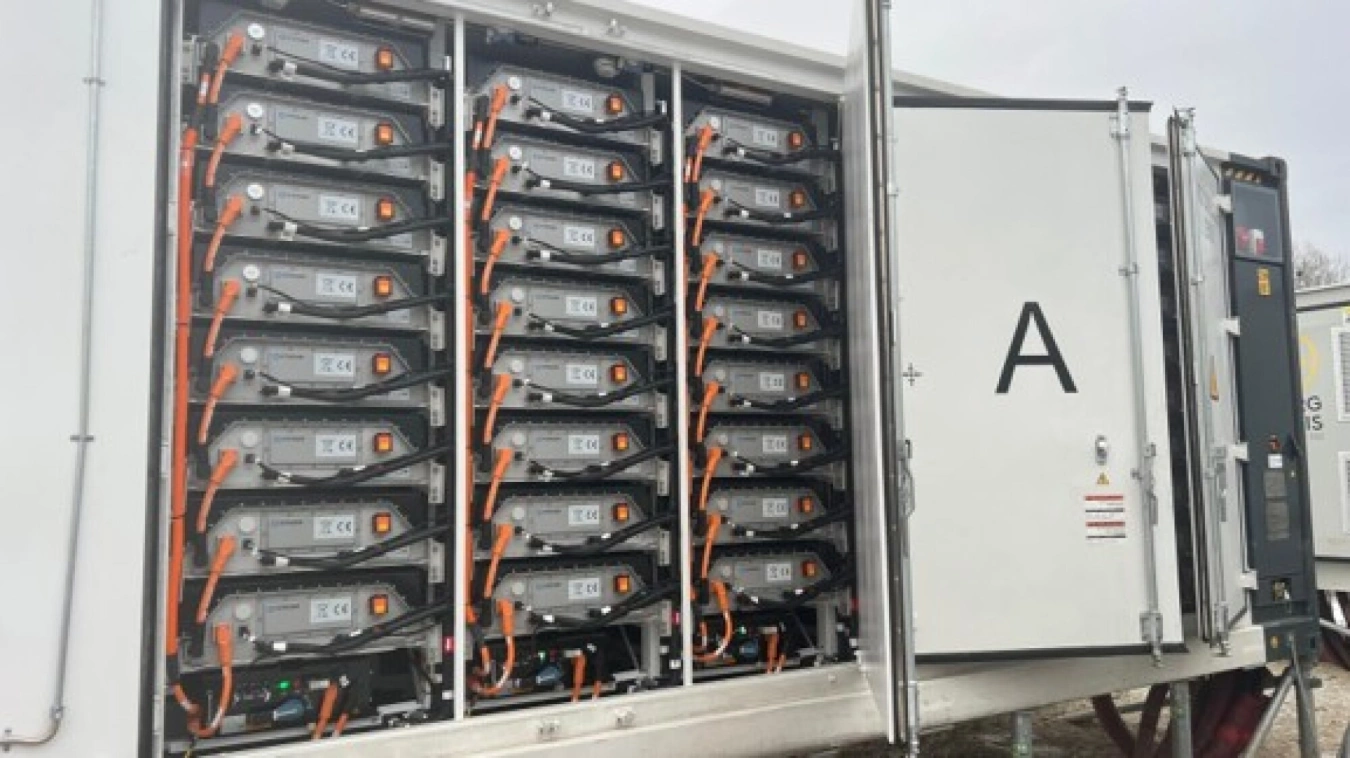
Each battery storage manufacturer specifies the operating conditions under which maximum lifetime is achieved. Some of the most important parameters that need to be monitored include the minimum and maximum state of charge (SOC), charge/discharge current, operating temperature, and voltage. If these values are not observed, irreversible capacity loss may occur!
The program allows cycling between user configurable BMS Max SOC and BMS Min SOC values. In addition, some storage systems require regulation of the maximum charge and discharge current BMS Charge Current, BMS Discharge Current and the BMS ForceChargeFlag when cell synchronization is required.
Solution description -> Interface for service organizations
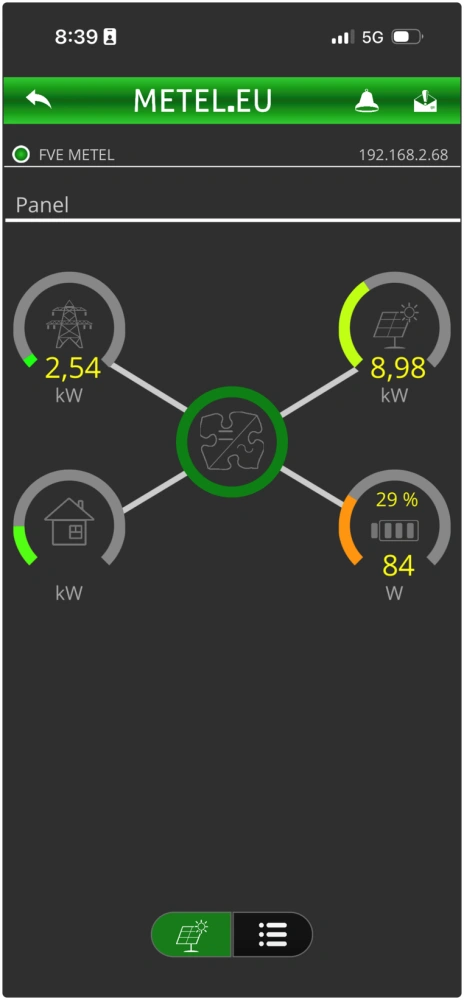
Mobile apps for iOS and Android platforms are an integral part of the IPLOG ecosystem. These enable service technicians and end users to monitor the current status of the technology in real time. A central cloud interface is then used for advanced analysis of PV plant operations over time and remote optimization of system operating parameters.
Benefits of the solution
- IEC 61131-3 flexibility - Easy programming of complex algorithms in FBD, LD, ST or IL.
- Wide connectivity - Seamless integration of inverters, batteries and meters from different manufacturers.
- Quarter Hour Peak Control - Efficient Peak Shaving to eliminate penalties for exceeding limits.
- Independent Local Logic - Autonomous operation and 100% safety even during cloud outages.
- Spot price response - Automatic optimization of consumption according to actual data from OTE.
- Scalability - Modular HW and SW for future PV power expansion.