
Event Management & IEC Control Programs in Practice
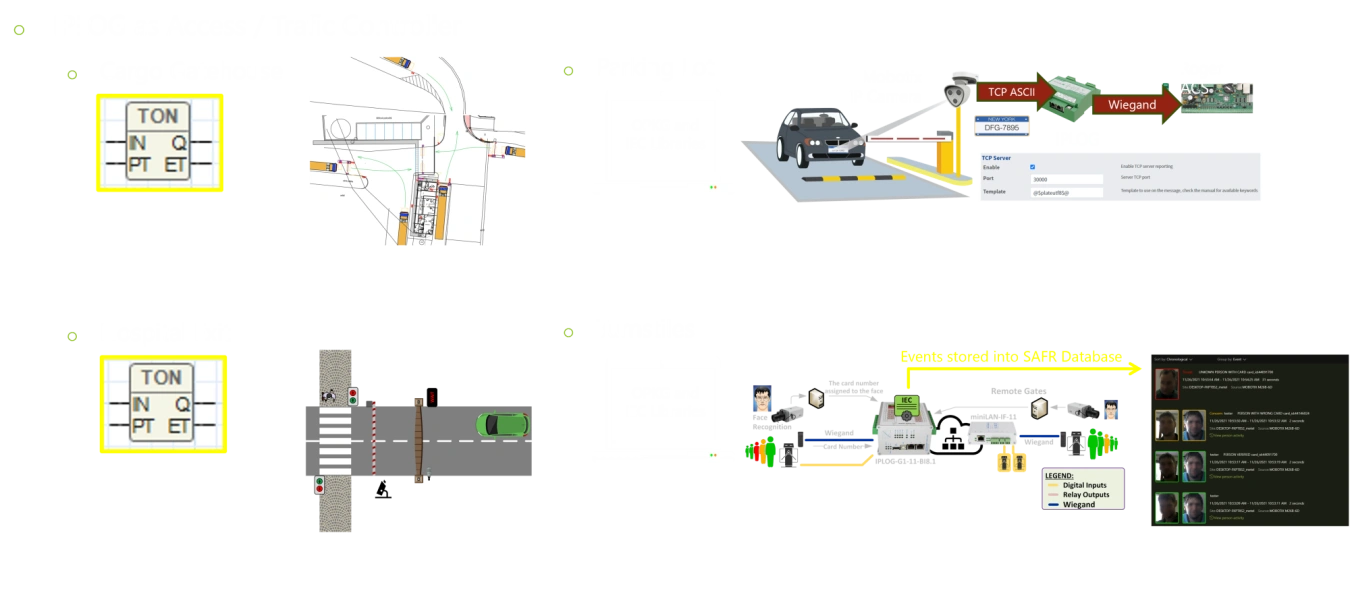
Examples of IPLOG use include controlling entry through a gatehouse from five different directions or managing passage into a hospital campus, including controlling gates and ground posts.
Another example is the integration with the Wiegand protocol, which extends the connectivity of access control systems. IPLOG has also been used to analyse and verify that the access card actually belongs to the person using it, thus contributing to the security of the overall solution.
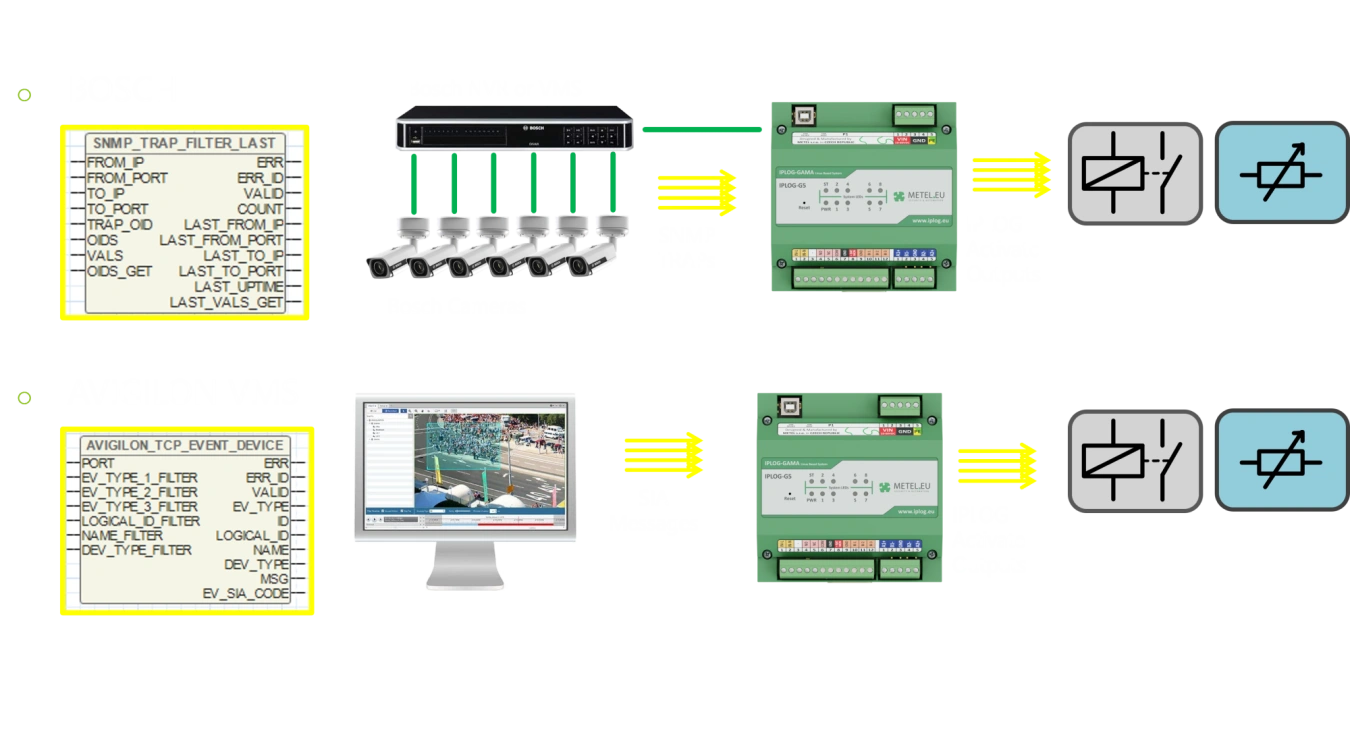
Integration is also available with Bosch IP CCTV systems, which informs the status of individual IP CCTV elements via SNMP traps sent from the NVR.
Based on this, new function blocks have been added to the libraries in 2023 to receive and process them.
In addition, the system also supports Avigilon VMS, which uses SIA messages for reporting. These reports have also been integrated into the PLC and the corresponding function blocks for their processing have been added.
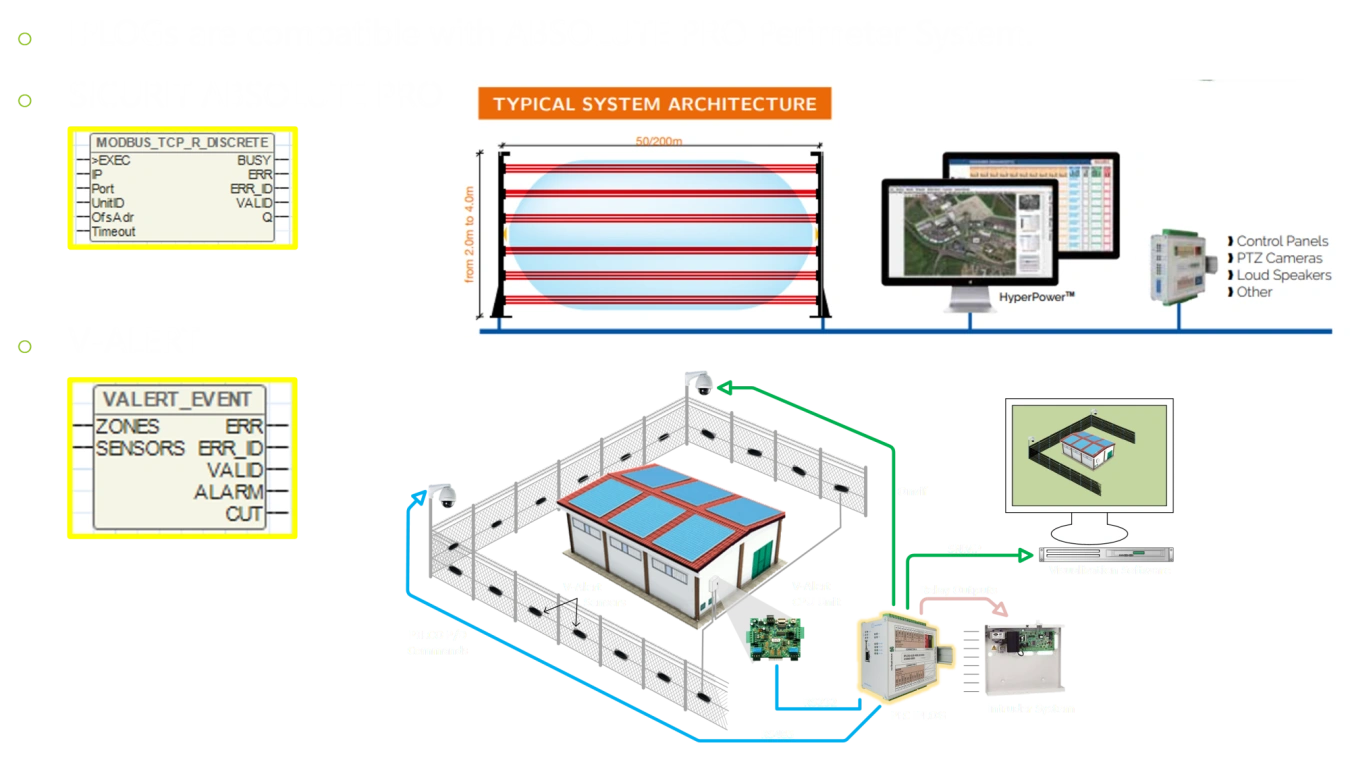
ABSOLUTE PRO is a modern IP perimeter system manufactured in Italy by Sicurit.
The IPLOG PLCs are used in it as alarm evaluation units.
Depending on the model, we can also power the barriers from the PoE of our switches and PoE splitters.
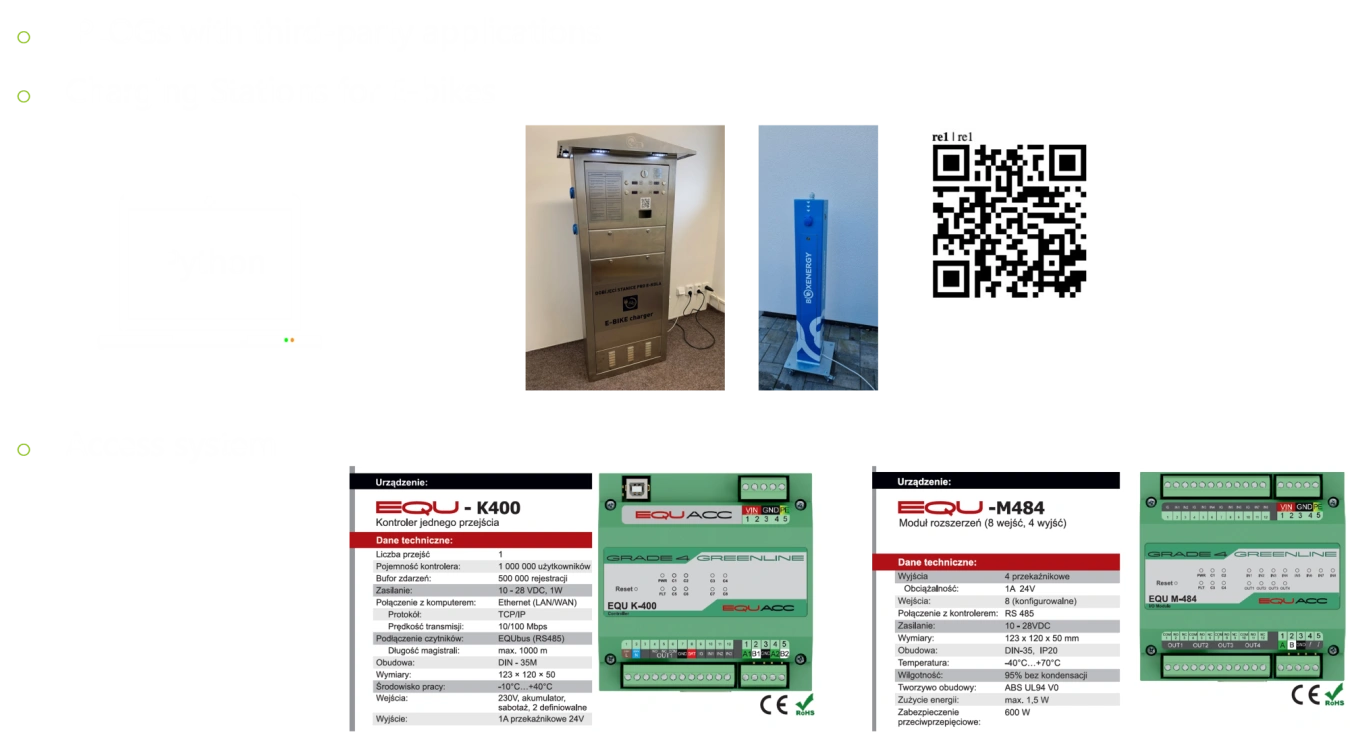
If you own an electric bike you may also occasionally use publicly available chargers.
IPLOG has found a use for them as well. The whole charging process works by the client scanning the QR code placed on the charger, after which the payment gateway website opens, where he pays the required amount and IPLOG then activates the corresponding socket. IPLOGs are supplied for two different types of chargers. The smaller one is a single socket solution supplied under the BOXENERGY brand. The larger four-socket solution from SITEL also allows coin payments.
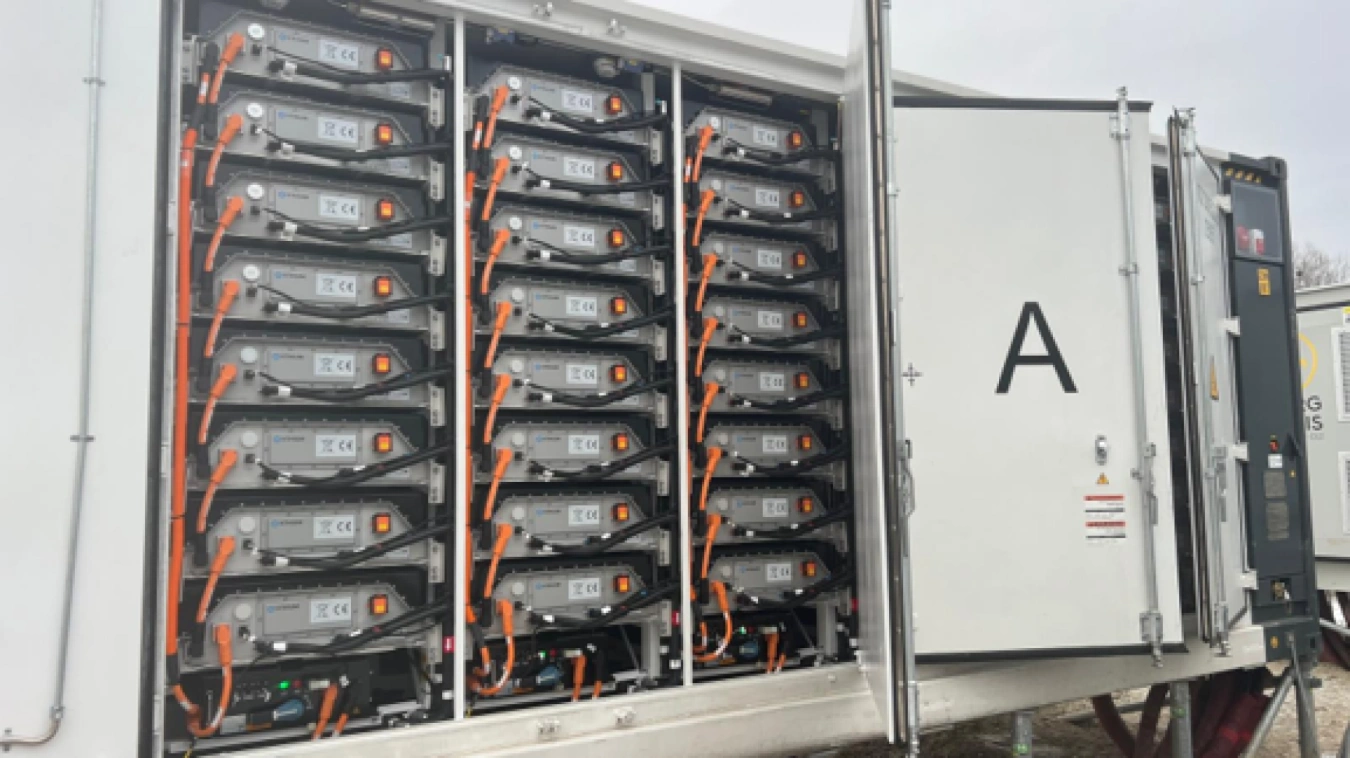
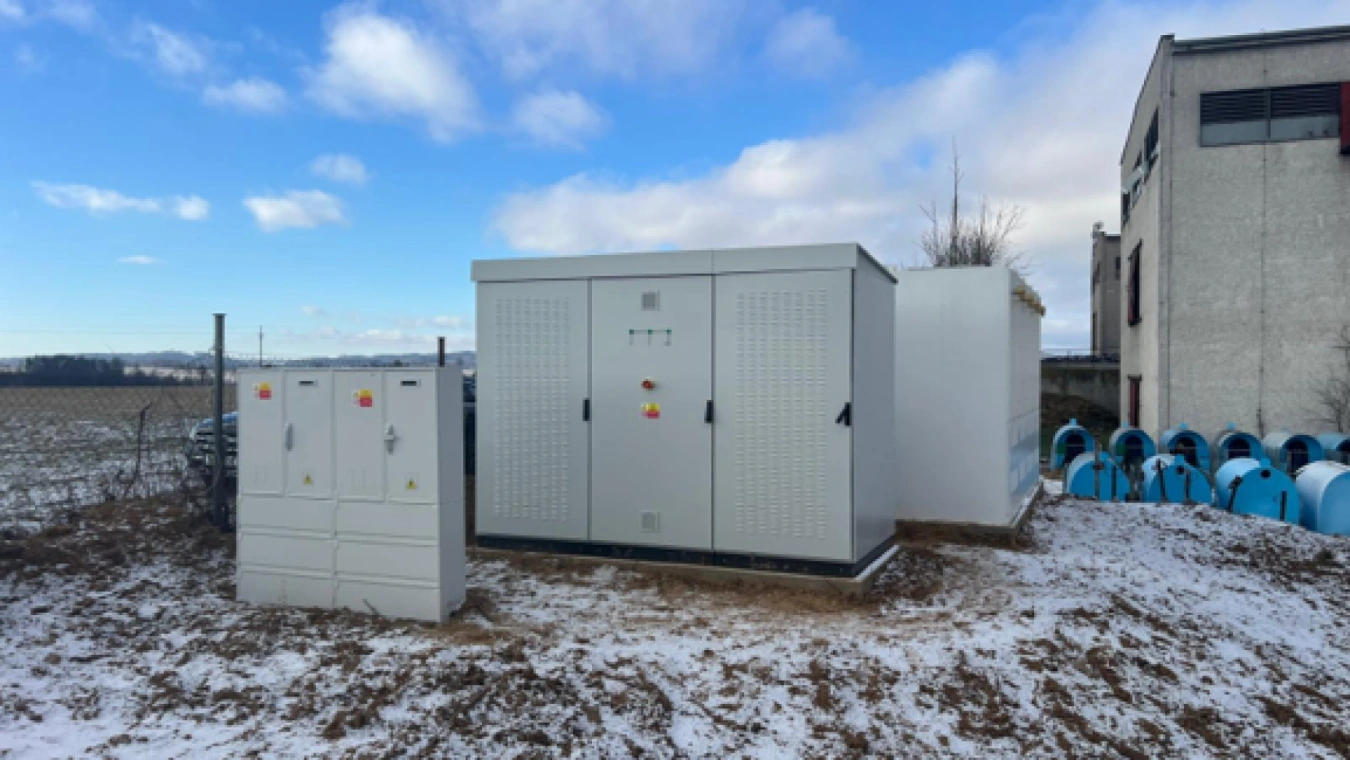
Increasingly, customers are also using IPLOG as a control system for photovoltaic power plants installed in factories and private homes.
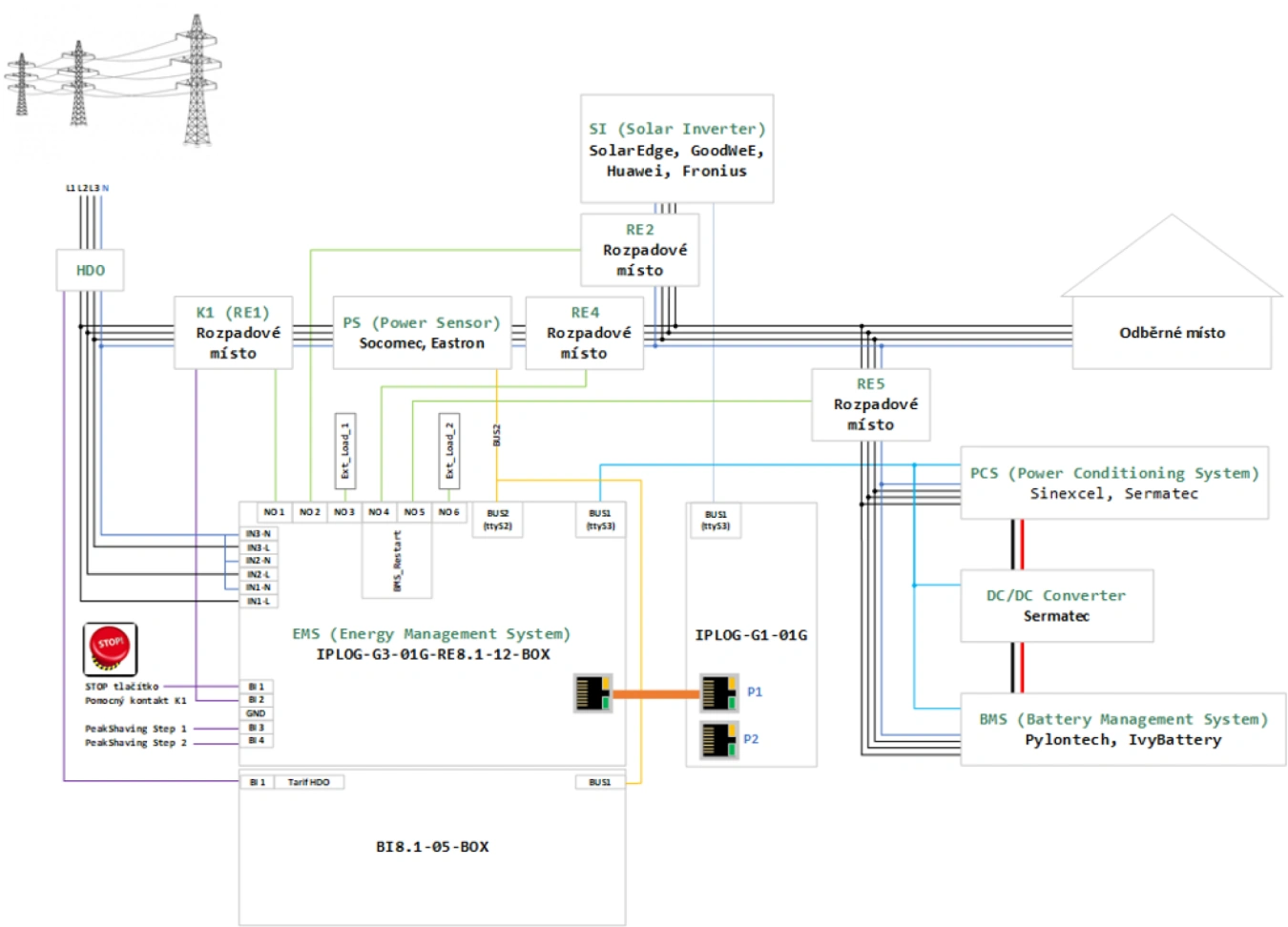
The main purpose of using IPLOG is to maximise the use of the energy generated, eliminate power peaks, collect operational data in a database and provide secure remote access.
The economically very interesting role of IPLOG is to keep the building's consumption within the allowed range between the quarter-hourly maximum and minimum, which avoids contractual penalties from the energy supplier. IPLOG also communicates continuously with the meter and in case of a risk of non-compliance with the consumption within the specified range, it can initiate the acquisition of the missing energy from the backup battery or, on the contrary, switches on suitable loads when the consumption needs to be increased.
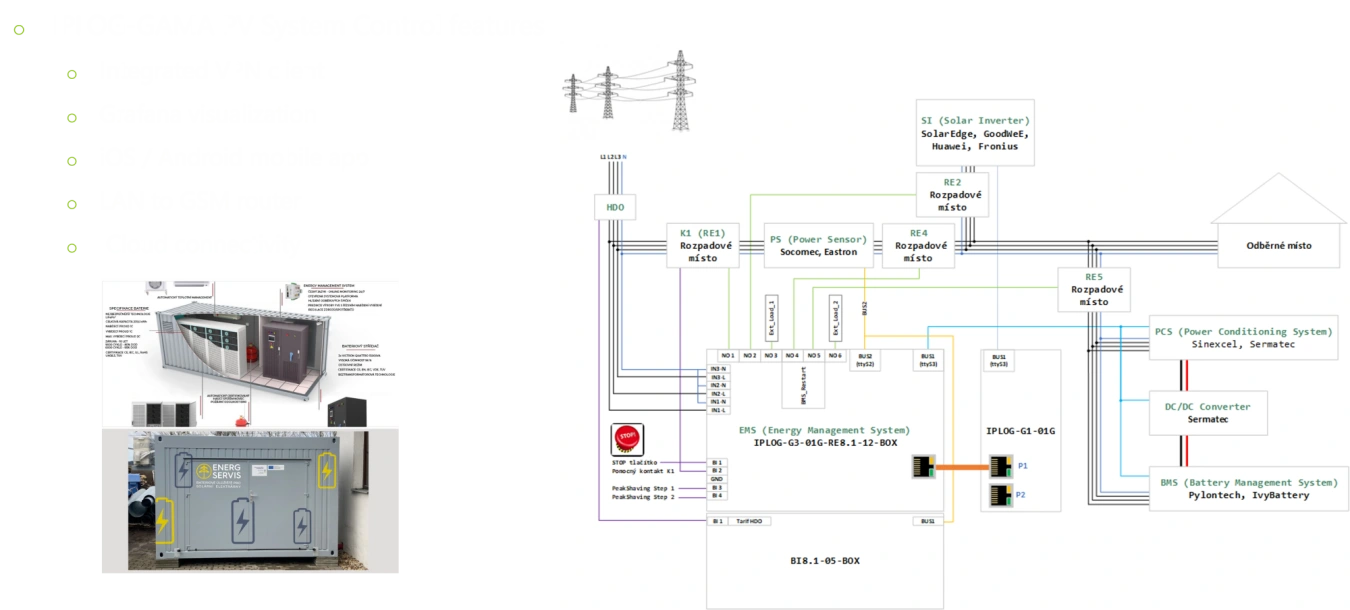
PLC controlled photovoltaic systems IPLOG-GAMA
Based on data from sensors or meters at the grid connection point, the system tries to maintain zero export and import.
Exports occur when solar energy exceeds local consumption and flows back to the grid; this excess is used to charge batteries, turn on external appliances, or disconnect the inverter.
Imports occur when solar generation is insufficient, which the system compensates for by discharging the energy stored in the batteries.
Peak load balancing and 15-minute maximum coverage time (T15)
- The battery capacity is set to a predetermined maximum value to handle sudden surges in consumption exceeding the reserve limit of the facility.
- The system regulates this value in two separate steps based on input switching.
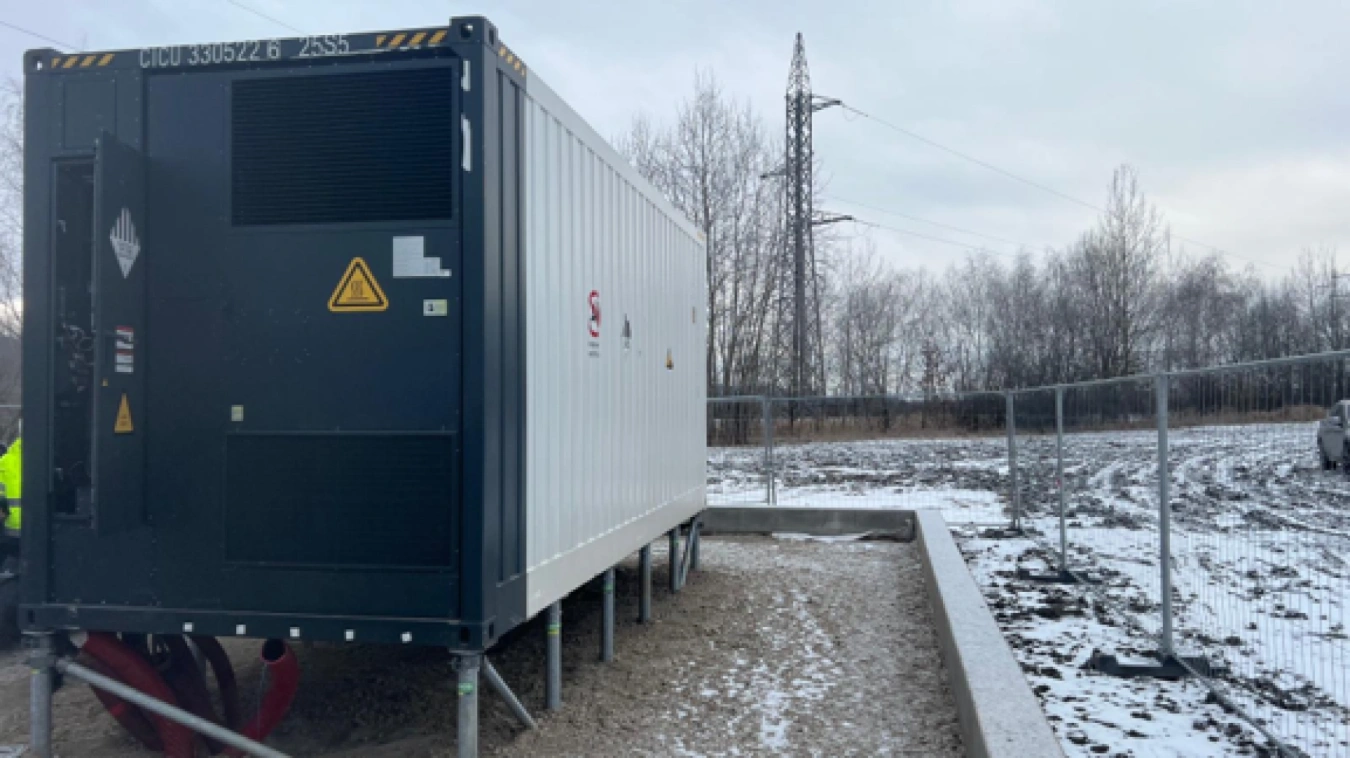
Control of PV systems based on current prices
- Dynamically responds to hourly market fluctuations to maximize profitability. The system recharges batteries from the grid during periods of low prices and supplies surplus to the grid during price spikes, thereby increasing revenues.
- The algorithm automatically curtails wasteful generation and prioritises self-consumption during the most expensive hours of the day.
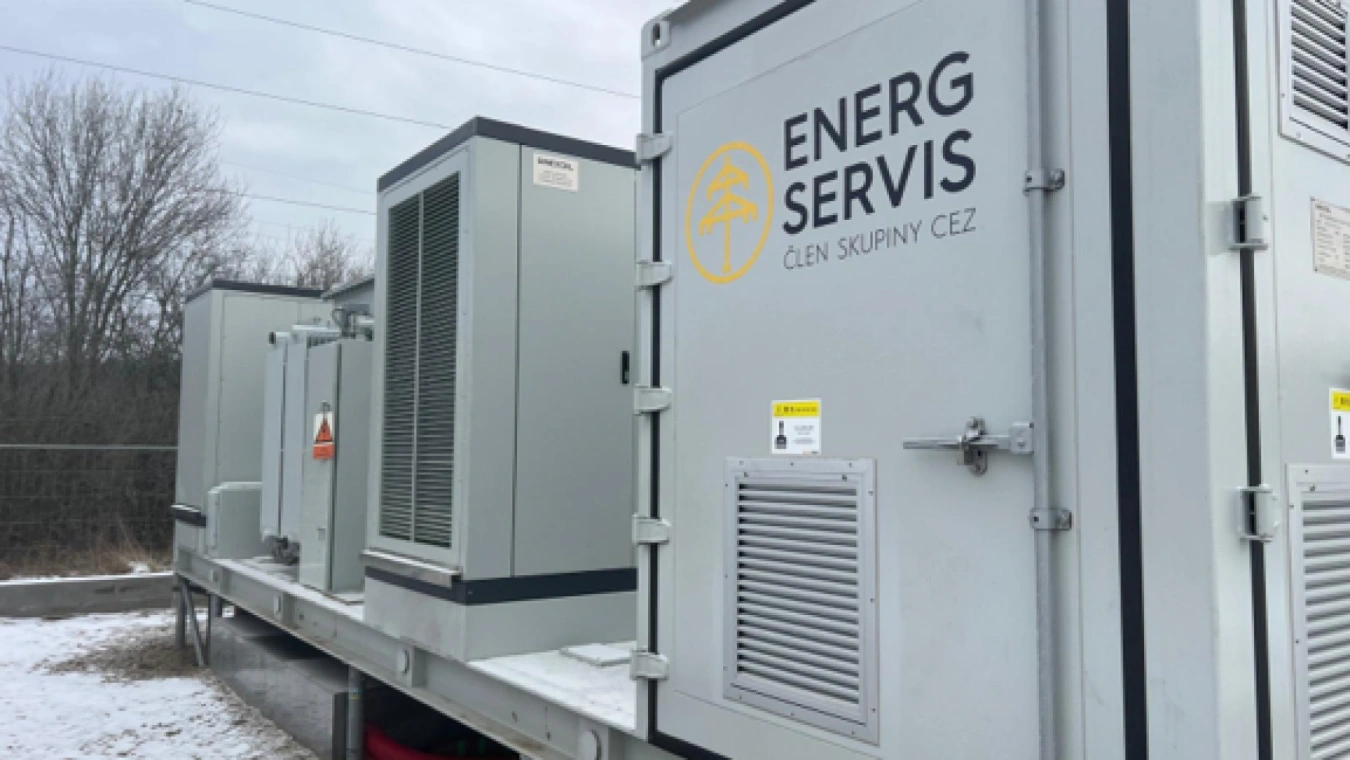
Battery storage management
- To maximize lifetime, the system monitors key parameters such as state of charge (SOC), temperature and current; exceeding these limits results in permanent capacity loss.
- The software regulates user-defined state-of-charge (SOC) limits and manages charge and discharge currents, including cell synchronization (ForceChargeFlag) according to manufacturer requirements.